The History of Fog Lane Park - Before 1926
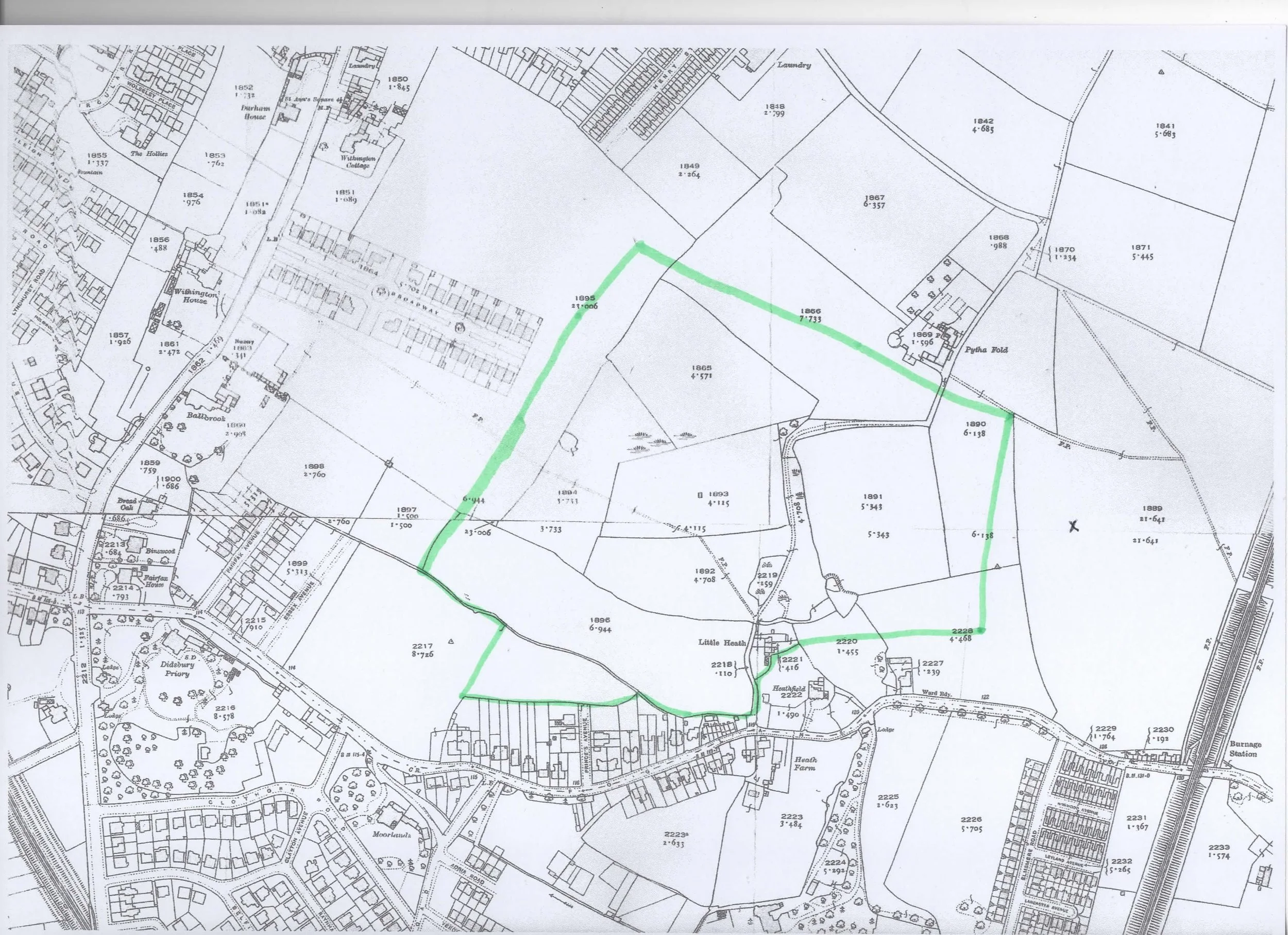
This is a section of an OS map of Withington and Burnage from 1916, before the park existed. A rough outline of the park is marked in green. At this time, the area consisted of fields, the ponds and a small farm, called Little Heath on the right of the path leading in from Fog Lane. This path, which ran through what was later to become the park, was called Cow Lane. It ran between Heath Farm, on the other side of Fog Lane, and Pytha Fold Farm, which was roughly on the corner of what is now Parkville Road and Pytha Fold Road. This is equivalent to the path that now runs from Fog Lane through to the main entrance on Parkville Road.
The photograph below, taken in 1962, shows a lady pushing a pram along what used to be called Cow Lane towards the park exit on Fog Lane. You can see some of the farm buildings of Heath Farm, which was on the far side of Fog Lane, where the Florence Park Court flats are now.
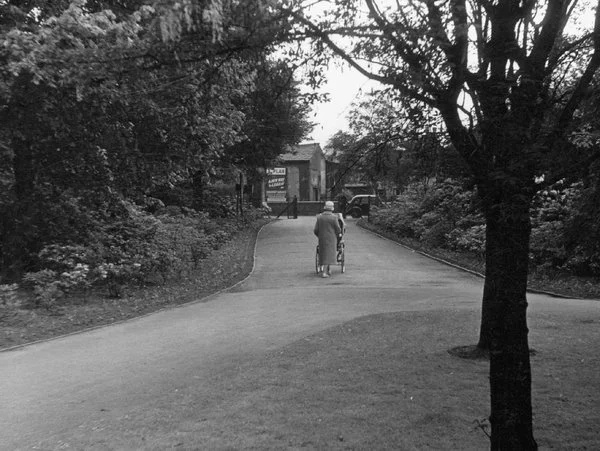
Image courtesy of Manchester Libraries
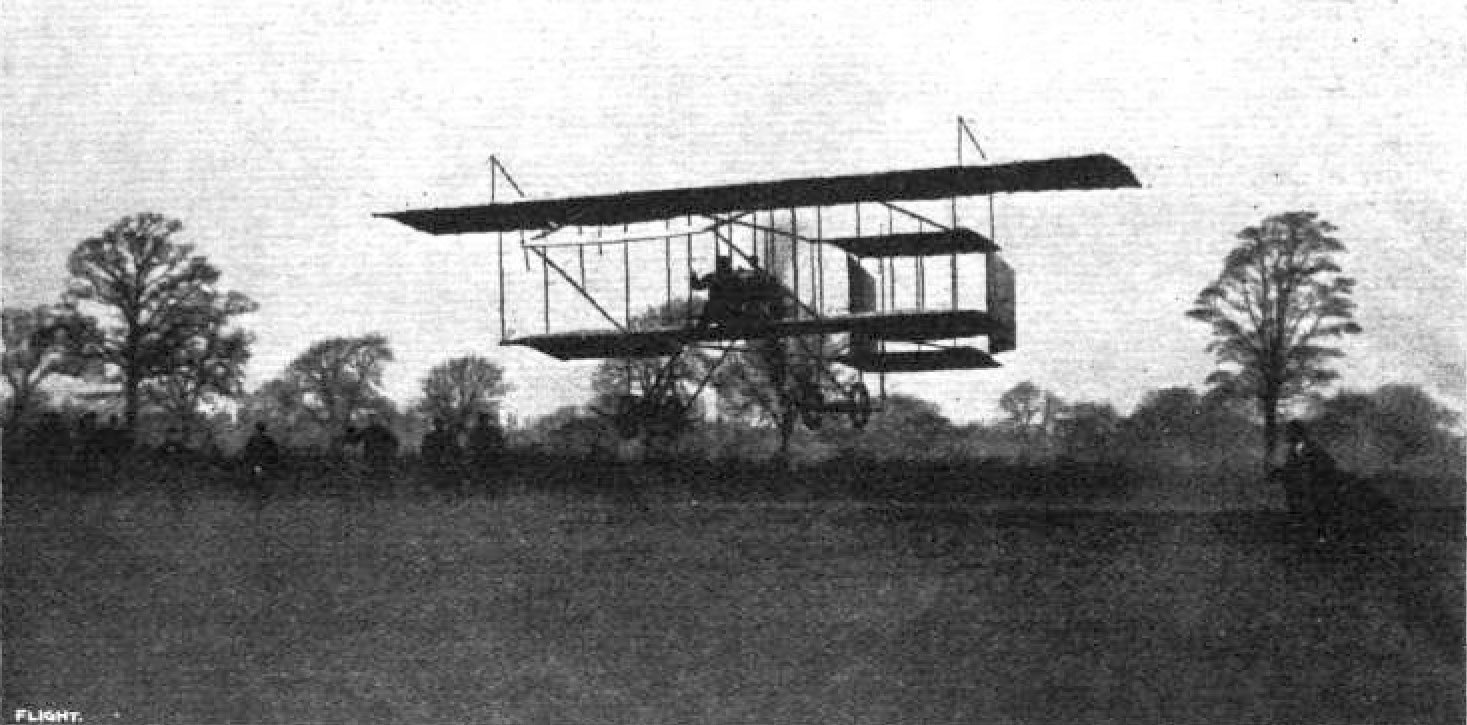
Just a few years previous to this map being made, the famous flight of Louis Paulhan had ended early in the morning of April 28th 1910 in a field of Pytha Fold Farm, just outside of what would become the park. This is marked with a cross on the map, and is where Paulhan Road is now. This was the finish of the race between the Frenchman, Louis Paulhan and Englishman Claude Grahame-White for a £10,000 prize given by the Daily Mail for the first flight from London to Manchester.
The end of the race, was described in the Stockport Advertiser the following day:
‘The descent was made in a clover field tenanted by Mr Matthew Bracegirdle of Pytha Farm, Fog Lane, between Burnage and Didsbury – close to the new line of the London and North Western Railway. Fog Lane was crowded as early as four o’ clock with motor cars, bicycles and people on foot, all hurrying along to see the arrival of M Paulhan………A few minutes before 5.30 a strange buzzing was heard in the distance and on looking towards Cheadle Paulhan’s aeroplane could be seen approaching at a rapid rate, gliding along most gracefully like a huge bird….Paulhan, swerving around beautifully, flew into the middle of the clover field, where he dropped like a bird with outstretched wings amid the plaudits of a crowd of spectators, who had rushed up inspite of the police. It was a pretty sight, long to be remembered.’
The newspaper then goes on to describe the complaints made by the farmer, Mr Matthew Bracegirdle, over the unauthorised use of his field for the landing of the aircraft and the damage done to his crops by the crowds running across his fields:
‘Mr Bracegirdle stated that he had received no intimation whatever that he will be recompensed for the damage done to his crops….not only in that part of the field where the descent was made, but in the adjoining fields where there are thousands of footprints amongst the clover, oats and potatoes which have been crushed in great quantities.’
Paulhan’s plane was then taken to Hans Reynold’s motor chain works at Burnage, where it was stored. This chain works was where Tesco is now. There is a blue plaque on a house in Paulhan Road to mark the spot where Louis Paulhan landed his aeroplane